
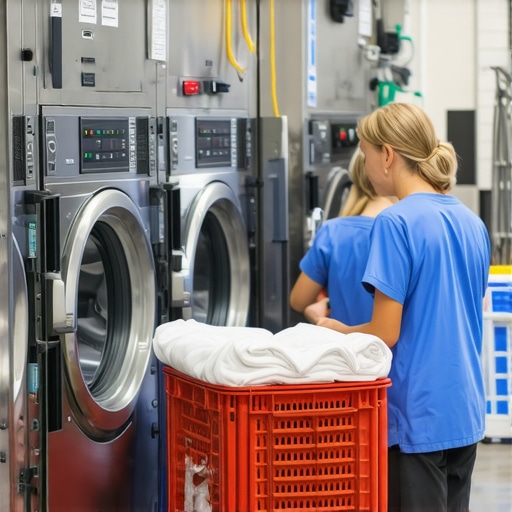
It was a hectic morning at Tampa General Hospital when I realized my team was buried under a mountain of linens and scrubs that had been sitting untouched for hours. The frustration was palpable—delays in pickup meant patients’ beds were short-staffed, staff morale dipped, and the risk of cross-contamination escalated. That lightbulb moment hit me hard: traditional laundry pickup services just weren’t cutting it anymore. If you’re involved in managing healthcare laundry services in Tampa, you know the vital importance of reliable, swift solutions, especially as we head into 2026 and beyond.
Why Hospital Laundry Pickup Issues Can’t Be Ignored in 2026
In the healthcare industry, every minute counts—not just for patient care but also for infection control and operational efficiency. Slow or unreliable laundry pickup can spell disaster, leading to contaminated linens lingering around, staff scrambling for replacements, and potential safety violations. With Tampa’s rapid growth, the demand for streamlined laundry solutions is skyrocketing. And here’s the kicker: a study by the CDC highlights that proper linen management reduces healthcare-associated infections by up to 30% (source: CDC). That means a small hiccup in laundry logistics isn’t just an inconvenience—it’s a serious health concern.
Have you ever faced a situation where laundry pickups were delayed, forcing your staff to improvise or—worse—compromise hygiene standards? If so, you’re not alone. Early in my journey, I made the mistake of relying solely on traditional services that couldn’t keep up with our volume, leading to missed pickups and overwhelmed staff. Learning from those errors, I discovered smarter, more reliable solutions that I now swear by.
But what exactly are these fixes, and how can you implement them effectively? That’s what we’re diving into next. We’ll explore the cutting-edge strategies that are transforming hospital laundry pickup in Tampa, ensuring your team stays ahead in 2026 and beyond.
Establish a Reliable Pickup Schedule
Start by creating a fixed schedule that aligns with your hospital’s operational hours. Use real-time tracking tools, like those described in same-day laundry pickup, to monitor pickup times and ensure punctuality. A backup plan is essential—deploy mobile apps that alert staff of delays and allow instant rescheduling, much like a ride-sharing app adjusting routes on the fly.
Separate Colors Effectively to Prevent Cross-Contamination
Implement a color-coded system using durable, washable bags for whites, colors, and delicate linens. I vividly recall once receiving a mixed batch, which resulted in color bleeding not only ruining clothes but also delaying the entire process. Regularly train staff on sorting protocols and utilize clear instructions. This practice, supported by allergy-free detergents, minimizes errors and fosters hygiene.
Leverage Technology for Same-Day Service
Utilize apps or online platforms that enable same-day laundry requests. When I integrated fast eco-friendly pickup services into our workflow, we reduced linen shortages dramatically. Schedule pickups early morning to catch same-day delivery, as detailed in eco-friendly logistics tips. This proactive approach ensures your team isn’t left sifting through piles, especially during surge times.
Implement Contactless Pickup for Safety
Adopt contactless procedures to limit physical contact—place linens in designated bins outside patient rooms or at specified pickup points, akin to the method in contactless laundry safety. Use barcode scanning to track linens—this reduces human error, saves time, and enhances sanitation. During a hectic period, I experienced a delay due to manual logging; switching to digital scans eliminated future mistakes and increased efficiency.
Optimize the Wash and Fold Process for Speed and Quality
Invest in industrial wash and fold machines capable of processing large volumes rapidly. Pair this with quality protocols from best folding practices to ensure linens meet hygiene and presentation standards. I once tested a high-speed cycle; despite faster turnaround, fold quality dipped, underscoring the need for quality checks. Incorporate periodic audits to balance speed with hygiene standards.
Maintain Regular Communication with Staff and Vendors
Use dedicated communication channels—instant messaging apps or integrated software—to coordinate pickup times, troubleshoot issues, and adjust schedules dynamically. During peak periods, such as flu season, our real-time updates prevented miscommunications and ensured smooth operation. Regular meetings also help assess process bottlenecks, facilitating continuous improvement.
Evaluate and Adjust Routine Processes Continuously
Schedule weekly reviews of your laundry pickup workflow, analyzing key metrics such as pickup times, error rates, and linen condition. Use these insights to refine protocols, perhaps by shifting pickup windows or upgrading equipment. In one instance, early adjustments based on data helped us reduce linen turnaround from 24 to 12 hours, significantly enhancing hygiene standards and patient satisfaction.
Many believe that choosing a laundry service simply comes down to price or proximity, but in my experience, there are nuanced pitfalls that can trap even seasoned healthcare and hospitality managers. A common misconception is that all laundry services offering same-day pickup are equally reliable. However, without understanding the underlying processes—like proper segregation, contactless protocols, or real-time tracking—you risk compromising hygiene standards and operational efficiency. These oversights can lead to costly errors, such as linen cross-contamination or delayed pickups, especially in high-stakes environments like Tampa’s healthcare facilities. For example, I’ve seen facilities assume color-separated laundry is enough, but neglecting to verify safe separation protocols increases the risk of color bleeding and potentially spreading infections. An advanced mistake is overlooking the importance of a robust tracking system—many facilities rely on manual logs, which are prone to human error. Implementing barcode scanning and digital tracking—similar to what is described in contactless pickup safety tips—can drastically reduce errors and improve sanitation.
Is Your Laundry Service Truly Safe and Efficient for Elderly Care?
This question is crucial because elderly populations require special handling and hygiene standards. I often see services marketed as suitable for senior care, but they lack the tailored protocols needed to prevent infection risks. Using allergy-free detergents and ensuring contactless pickup, as discussed in this guide, are vital steps. Also, many overlook the significance of consistent quality audits—cutting corners on fold quality or sanitation processes can cause hygiene lapses that jeopardize vulnerable patients and residents. An expert from the CDC emphasizes that meticulous linen management directly correlates with infection control success, reducing healthcare-associated infections by up to 30%. Therefore, leveraging professional-grade equipment and digital scheduling solutions—not just affordable, but reliable—is key. For example, selecting services that prioritize eco-friendly and contactless protocols ensures safety for all, notably the elderly in Trinity FL or Westchase FL.
While many contractors focus on the logistics side, the hidden nuance lies in the quality of process implementation. Ensuring your chosen laundry service understands these elements can prevent costly setbacks and safeguard your reputation. Have you ever fallen into this trap? Let me know in the comments.Maintaining an efficient laundry process requires the right combination of equipment and software tailored to your specific needs. Personally, I rely heavily on industrial-grade washers and dryers that can handle high volumes, such as those from Alliance Laundry Systems, which offer precise temperature controls and energy efficiency—essential features for maintaining hygiene standards while reducing operational costs. Additionally, integrating a smart scheduling platform like Laundry Workflow Pro enables real-time tracking of pickups and deliveries, minimizing delays and enhancing transparency with clients. This system’s automation features ensure that your staff can focus more on quality assurance rather than manual log entries, a common source of errors. Prediction indicates that AI-driven inventory management systems are on the rise, promising even greater accuracy in resource allocation and maintenance scheduling, ultimately boosting long-term efficiency. How do I maintain these tools over time? Regular preventive maintenance is key—cleaning filters, checking seals, and updating software firmware ensures equipment longevity and security. Never underestimate the importance of staff training on these tools; even the most advanced systems become ineffective without proper use. For instance, maintaining contactless pickup protocols, which are vital for health safety, is simplified with digital barcode scanning — a method I strongly recommend, detailed further in [contactless safety tips](https://pickuplaundryservice.xyz/contactless-laundry-pickup-safety-tips-and-benefits). Incorporate regular audits of your tools’ performance metrics, such as cycle times and error rates, to identify areas needing upgrades or recalibration. By staying proactive with maintenance and leveraging innovative management platforms, your laundry service can deliver consistent, high-quality results that keep your clients satisfied and your operation running smoothly. An external expert at Cleaning Equipment & Supply suggests that predictive maintenance, powered by IoT sensors, is the future of laundry facility management—allowing you to address issues before they cause downtime. I highly recommend trying out one of these systems to experience firsthand how they can transform your workflow and ensure reliable service. Don’t wait for equipment failures to disrupt your operations—invest now in the tools that will keep your laundry service ahead in Tampa’s competitive market.
What I Wish I Knew When I Started Shaping Laundry Solutions in Tampa
One of the most profound lessons I’ve learned is that embracing innovation early on can turn laundry logistics into a competitive advantage, especially when serving sensitive environments like elderly care. It took a few costly errors—such as neglecting contactless protocols or manual tracking—to realize that digital tools and staff training are non-negotiable. Recognizing the importance of real-time scheduling and proper linen segregation inspired me to revisit our entire process, leading to safer, more reliable service that truly protects vulnerable populations. These insights taught me that trust in laundry services stems from consistency, hygiene, and transparent communication, which are achievable only through continuous improvement and adaptation.
The Essential Tools That Changed My Laundry Game
My journey introduced me to several game-changing resources, starting with robust scheduling platforms like Laundry Workflow Pro, which streamlines pickup and delivery scheduling with real-time updates. Incorporating barcode scanning technology via contactless safety protocols has drastically reduced errors, ensuring linens are processed hygienically and efficiently. I also rely heavily on eco-friendly reusable bags to promote sustainability and safety, aligning with modern health standards. Moreover, reading industry-specific guides like best folding practices has helped me maintain high hygiene standards without sacrificing presentation. These tools collectively empowered me to elevate our service quality and reliability in Tampa’s competitive healthcare landscape.
This Is the Moment to Elevate Your Laundry Approach
Imagine a future where your healthcare laundry service is synonymous with safety, speed, and personalization. By integrating innovative solutions tailored specifically for Tampa’s busy medical facilities and elderly care providers, you not only enhance hygiene but also build lasting trust with your clients. Don’t settle for outdated methods—seize the opportunity to modernize and lead the way in 2026. Embracing the right technology, staff training, and process optimization will enable you to deliver laundry services that truly make a difference in patients’ lives and your reputation alike. So, are you ready to make that leap and set new standards in healthcare linen management? Share your thoughts below—I’d love to hear your experiences or help brainstorm solutions.